
Rhode Island Restarts Dispensary Licensing After Residency Rule Collapse
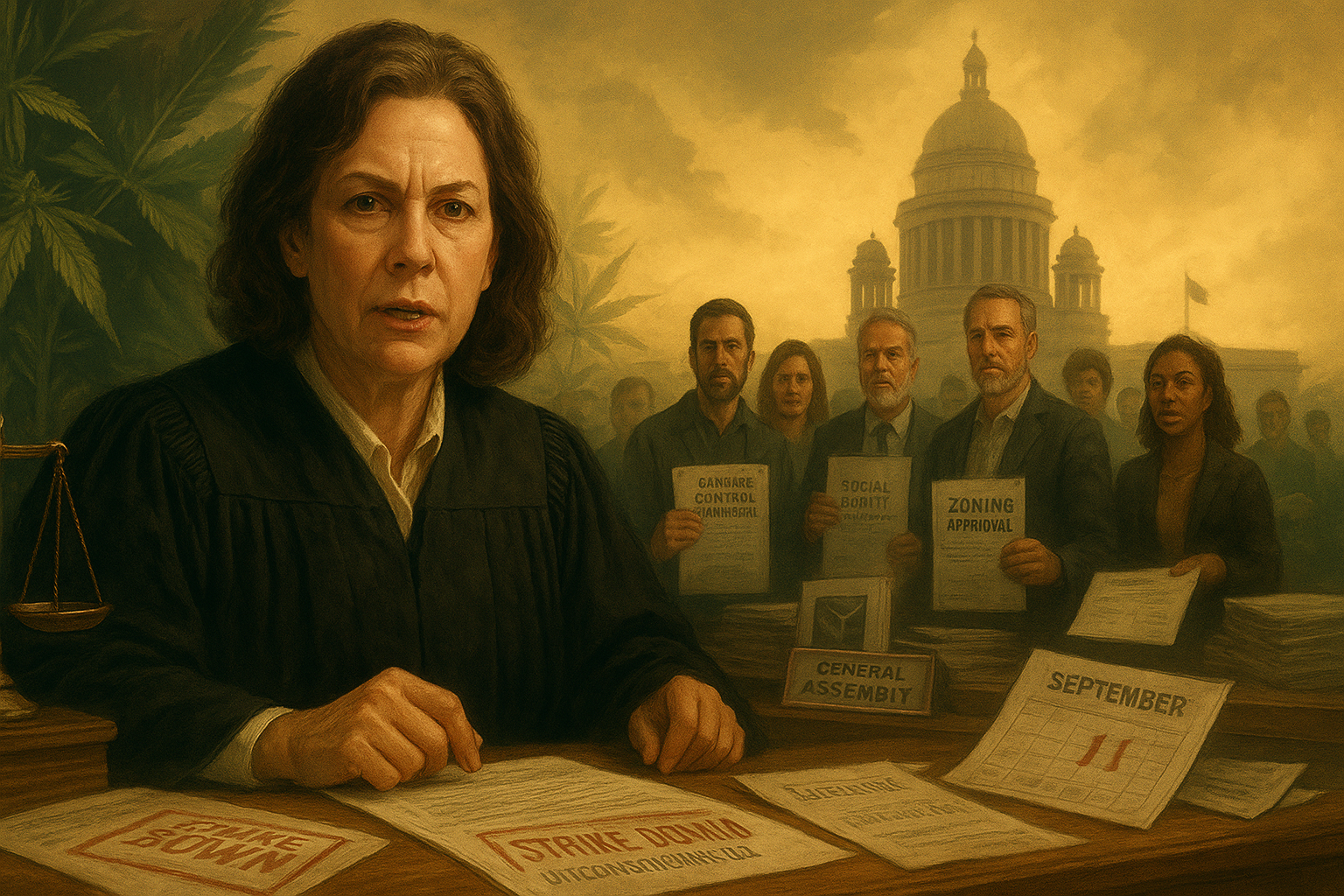
Rhode Island's retail cannabis licensing process is running again, months after a federal court challenge to residency requirements blew up the entire framework. The General Assembly had to rewrite the underlying statute after judges found the residency mandate unconstitutional - not just in Rhode Island, but in other states that tried similar language. That legislative fix reopened the door, but it also reset the clock for hundreds of applicants who thought they were close to the finish line.
Social equity certifications are due Sept. 11, with retail applications open through Nov. 23. For operators managing this process, timing matters as much as paperwork. Groups still need real estate under lease and proper zoning sign-off before they can even be considered in the eventual lottery, which means carrying rent on properties that may never generate a dollar of revenue. Once licenses are actually awarded, operational readiness becomes the next hurdle - everything from compliant packaging to inventory systems that satisfy state tracking requirements. Many operators building out their compliance stack are already looking at platforms like POS built for cannabis to handle seed-to-sale reporting and point-of-sale needs before doors even open, since retrofitting a general retail system for METRC integration late in the process tends to be expensive and slow.
Why the Whole System Got Thrown Out
Federal Judge Melissa DuBose didn't mince words. She called the fallout from the Cannabis Control Commission's decision to proceed with licensing, despite residency requirements already being struck down elsewhere, "self-inflicted." That's a pointed line from the bench, and it lands hard: the commission, chaired by Kim Ahern until October, pressed forward with a legal theory that other jurisdictions had already rejected. The result was that every application and every social equity certification got vacated. Nobody in the pipeline was spared, regardless of how long they'd been holding leases or how much they'd sunk into consultants and zoning applications.
A Restart That Isn't Exactly Even
Here's the catch with restarting from scratch: it isn't fair to the applicants who had skin in the game for years, and the General Assembly's mandate doesn't pretend otherwise. New groups can now apply without ever having carried a lease, competing in the same lottery as operators who've been bleeding money on rent for properties they had to secure just to qualify. Everyone can see who applied where, too, which changes the competitive calculus in ways that weren't part of the original design. The state approved 24 licenses across six zones. The prior lottery, now void, was only going to award 20, because Zone 1 (the northern region) and Zone 4 (East Greenwich, North Kingstown, Cranston, Warwick) didn't draw enough applicants. Licenses are split between social equity, worker cooperative, and general retail categories - a structure meant to widen ownership, though it adds complexity to an already strained process.
Supply Chain Pressure Isn't Waiting
While the legal fight played out, the market kept moving - just not in a direction that helps smaller players. Rhode Island has nine operating dispensaries and 55 licensed cultivators, down from 58 earlier this year. OP Pharm merged into a vertically integrated compassion center called New Leaf, and Blackstone Valley Group let its license lapse. Six of the nine dispensaries are partially or fully vertically integrated, meaning they grow a chunk of what they sell, which shrinks the wholesale pool available to independent cultivators. Growers describe themselves as holding on by a thread, waiting on new retail licenses to create buyers for their product. Before the derailment, the commission was actually weighing whether to slow licensing further, worried that opening too many stores too fast would trigger price compression among the nine existing dispensaries. That tension - between protecting incumbent retailers and giving cultivators enough outlets to survive - hasn't gone away. It's just been paused while the legal mess got sorted out.